2 Steps to Six-Pack Abs: Nutrition and Exercise
If you’re working toward six-pack abs, start with two habits you can repeat: eat balanced meals and train your whole body, including your core. Core exercises can help you build stronger abs. How visible they are also depends on your body fat and where your body stores it.
Step 1. Build meals you can repeat
Start with the meal that usually catches you unprepared. If you often grab whatever is available for lunch, keep a few ready-to-use ingredients on hand. The CDC guide to healthier meals suggests combining a variety of protein foods, produce, whole grains, and unsaturated fats.
- Pick a protein source. Try eggs, plain yogurt, chicken, fish, beans, lentils, or tofu.
- Add produce and a whole grain. Frozen vegetables, fruit, oats, and brown rice keep well and work in several meals.
- Choose a drink and add flavor. Have water with the meal. Try olive oil and lemon on a savory bowl or walnuts and cinnamon with oats.
Three meals to try
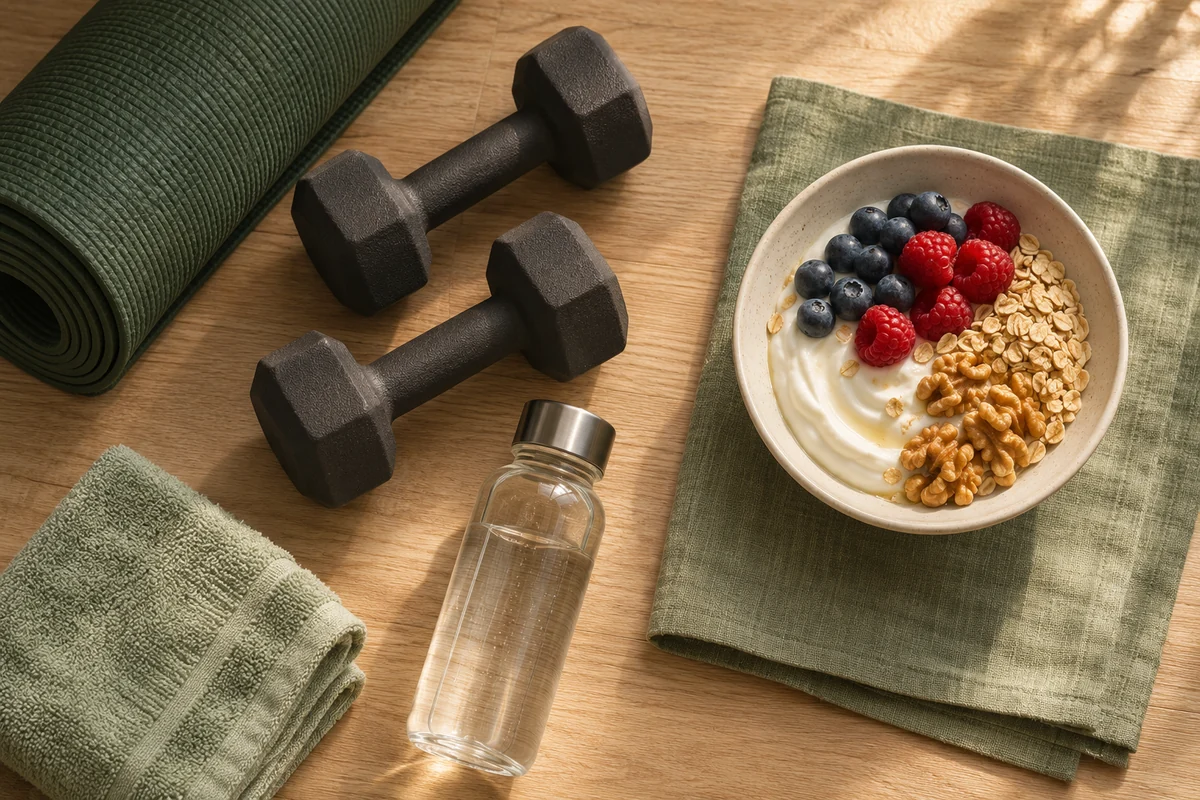
- Breakfast. Mix plain Greek yogurt with oats, berries, and walnuts. Frozen berries work well if you prepare it the night before.
- Lunch. Combine leftover brown rice, bagged greens, chickpeas or chicken, and lemon juice. Use a whole-grain wrap if you need a portable option.
- Dinner. Serve roasted vegetables and quinoa with salmon or tofu. Use frozen vegetables when you’re short on prep time.
If fat loss is appropriate for you, it requires using more energy than you take in over time. Start with a change you can sustain, such as swapping a regular sugary drink for water or assembling lunch at home on two workdays. Choose a meal schedule that fits your appetite and daily routine. CDC guidance on physical activity and weight
Step 2. Train your whole body and your core
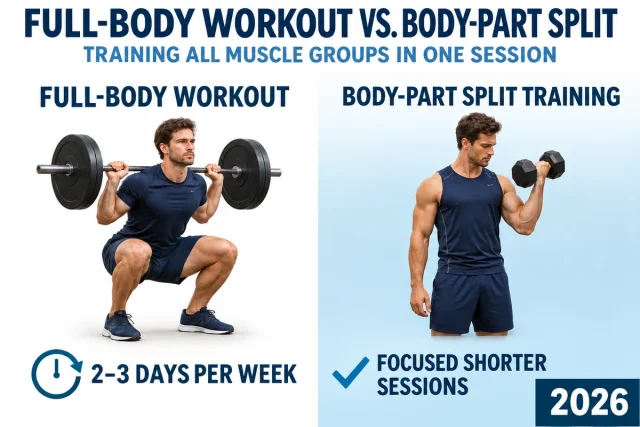
Start with two strength sessions on separate days. Use exercises for your legs, hips, back, chest, shoulders, arms, and abdomen. As your routine builds, work toward the CDC’s general health target for adults of at least 150 minutes of moderate aerobic activity per week and at least two days of muscle strengthening. You can spread the minutes across short walks, bike rides, or other activities.
A starter strength session
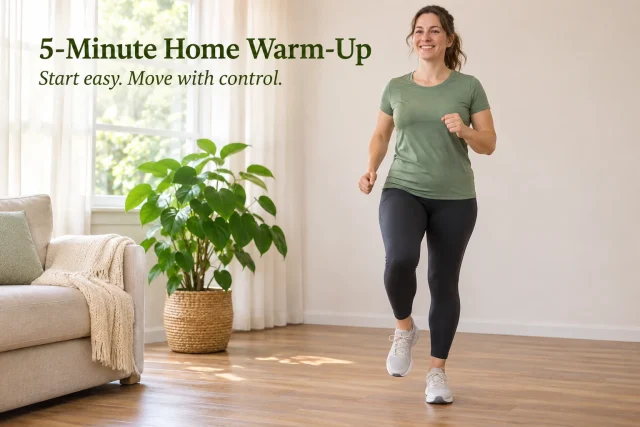
Begin with a few minutes of easy movement. Try one set of 6–8 controlled repetitions for each movement below and rest until you feel ready for the next. Use a range of motion and resistance you can control.
- Chair squat. With a sturdy chair behind you, lower slowly until you touch the seat, then stand. Use a higher seat if you need an easier version.
- Wall push-up. Place your hands on the wall at chest level, bend your elbows to bring your chest toward the wall, then push back. Move your feet closer to the wall to reduce the effort.
- Resistance-band row. With the band secured to a suitable anchor, pull your elbows back toward your ribs. Return slowly. Use a lighter band if you have to lean back to finish the pull.
- Glute bridge. Lie on your back with your knees bent and feet flat. Press through your feet and lift your hips, then lower slowly.
Finish with one core exercise
- Bird dog. Start on hands and knees. Reach one leg back while keeping your hips level. Once that feels steady, reach the opposite arm forward. Try 4–6 slow repetitions per side.
- Dead bug heel tap. Lie on your back with your knees bent above your hips. Lower one heel toward the floor, then switch sides. Shorten the movement if your lower back starts to arch. Try 4–6 repetitions per side.
- Wall plank. Put your hands on a wall at shoulder height and step your feet back. Keep your body in a straight line and breathe steadily for 10–20 seconds. Step closer if the hold feels too difficult.
A small six-week study found that abdominal exercises improved endurance during a curl-up test, with no significant change in participants’ abdominal fat. Use the exercises above to build core strength and control. Vispute et al., study on abdominal exercise and abdominal fat
Your first week of training
- Monday. Do the starter strength session and finish with a bird dog or wall plank.
- Wednesday. Walk for 10–15 minutes if that duration is comfortable. At a moderate pace, you can usually talk but would struggle to sing. CDC guide to activity intensity
- Friday. Repeat the strength session. Use the same exercises so you can compare how they feel.
- Weekend. Take another short walk if it fits your schedule and plan one meal for the coming week.
When to progress. If you finish both sessions with steady form and feel ready to repeat them, choose one small change next week. Add a repetition to an exercise, hold your plank a few seconds longer, or extend one walk. Keep the other variables steady so you can see how that change feels.
How to track progress
After each session, write down the exercise, the repetitions or hold time, and how it felt. For example, “Bird dog, 5 per side, hips stayed more level than Monday” gives you something specific to compare next week. For cardio, track how long you can walk at a comfortable pace. For nutrition, count how often you made the meal you planned.
Review your notes after two weeks. If you keep missing Friday’s session, move it to a day that fits. If a movement still feels awkward, keep the easier version and practice it. Visible abdominal definition varies from person to person. Give yourself credit for improvements you can measure, such as steadier repetitions, longer walks, and meals you can make consistently.